At-Home Blood, Urine, and Saliva Tests: What’s the Difference?
At-home tests can use blood, urine, or saliva, but the sample alone does not tell you whether a test is right for you. The measurements available, collection steps, testing method, and meaning of the results depend on the specific product.
This guide compares how blood, urine, and saliva samples are commonly collected for at-home testing. It explains what to check in a kit’s instructions, where each sample type has limits, and why two tests using the same sample may answer very different questions. Use it alongside the product’s instructions and speak with a healthcare professional if you have symptoms or concerns about a result.
Explore the differences interactively: Compare blood, urine, and saliva in our Test Explorer. Select a wellness interest and collection preference to explore educational information; the tool does not determine which test you need.
Quick Answer: How Do the Sample Types Differ?
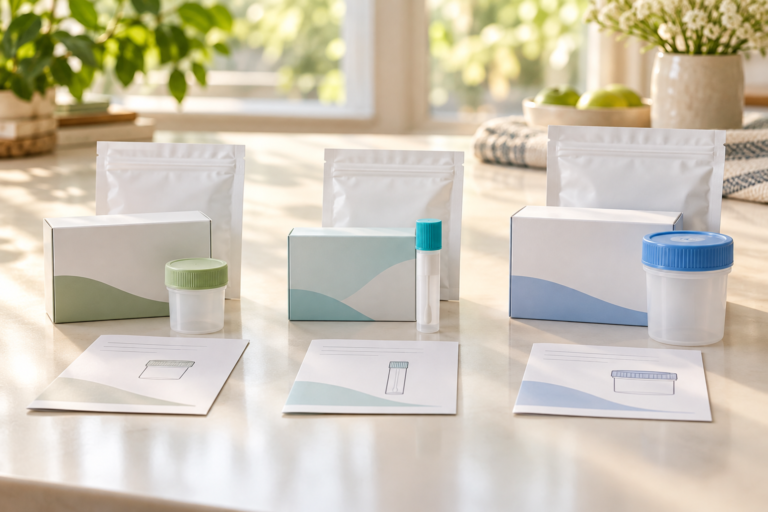
Blood, urine, and saliva are different kinds of samples—not three levels of test quality. A blood sample may be used to measure certain substances circulating in the blood. A urine sample may show selected substances excreted in urine. A saliva sample may be used for specific tests, depending on what the kit is designed to measure. None of these descriptions tells you whether an individual product is accurate or suitable for your question. Check the exact measurement, intended use, collection instructions, and testing method for each kit.
At-Home Blood Tests: What to Know
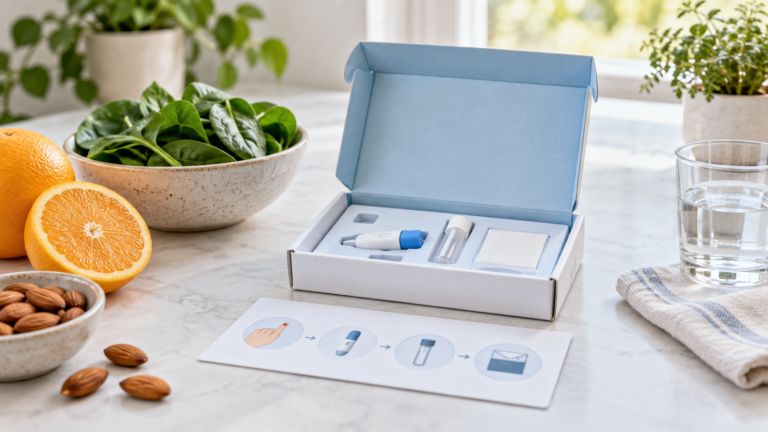
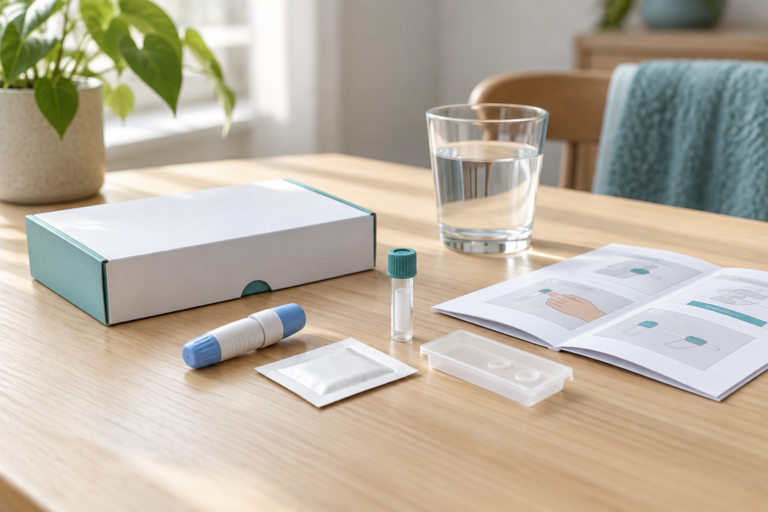
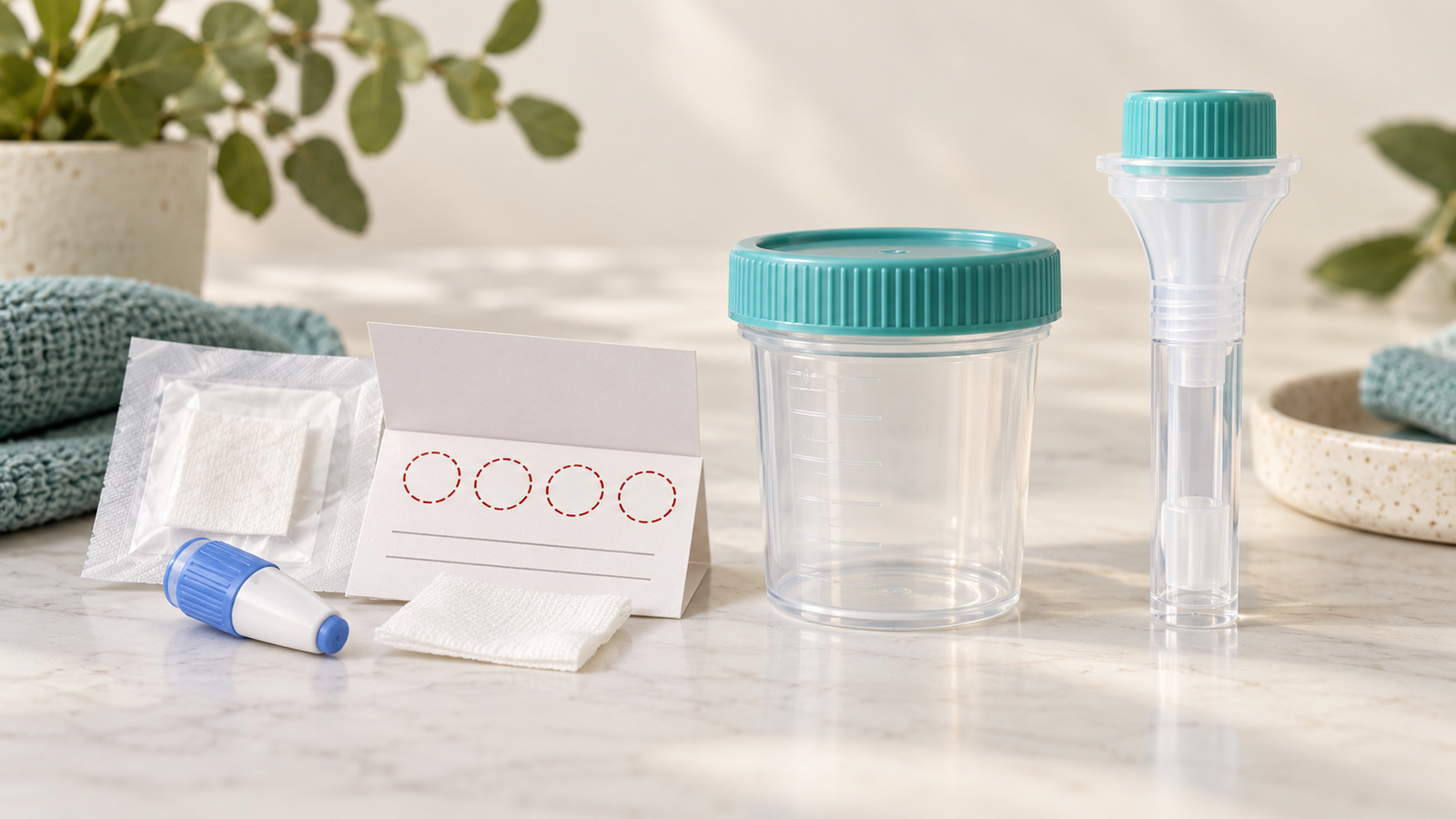
At-home blood tests may ask you to collect a small sample with a finger prick. Some services instead arrange a blood draw and send the sample to a laboratory. The collection method, tests available, and time to receive results vary by product.
Before ordering, check which specific markers the kit measures, how much blood is needed, whether laboratory analysis and shipping are included, and what happens if the sample cannot be analyzed. Follow the kit’s instructions closely: an incorrectly collected sample may affect whether the laboratory can use it.
A blood-based result answers only the question that the particular test is designed to investigate. It does not provide a complete picture of your health.
At-Home Urine Tests: What to Know
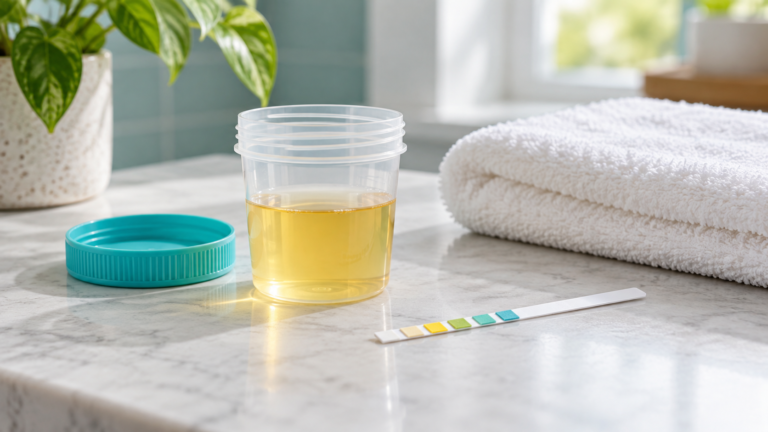
At-home urine tests may use a test strip that you read yourself, a strip paired with an app, or a sample sent to a laboratory. The measurements differ between products, so a urine sample does not automatically mean that two kits test for the same things.
Check which substances the kit measures, how and when to collect the sample, when to read a strip, and whether the result needs laboratory analysis. An unexpected result cannot, by itself, explain its cause. For a closer look at these limits, read our guide to at-home urine wellness tests.
At-Home Saliva Tests: What to Know
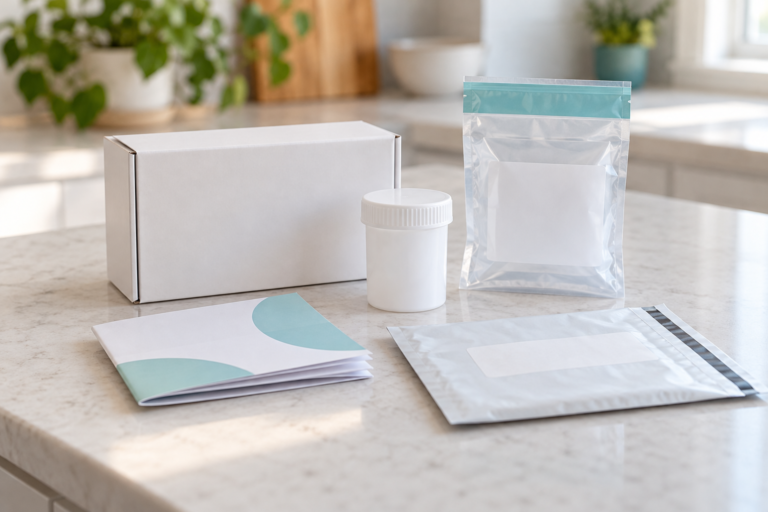
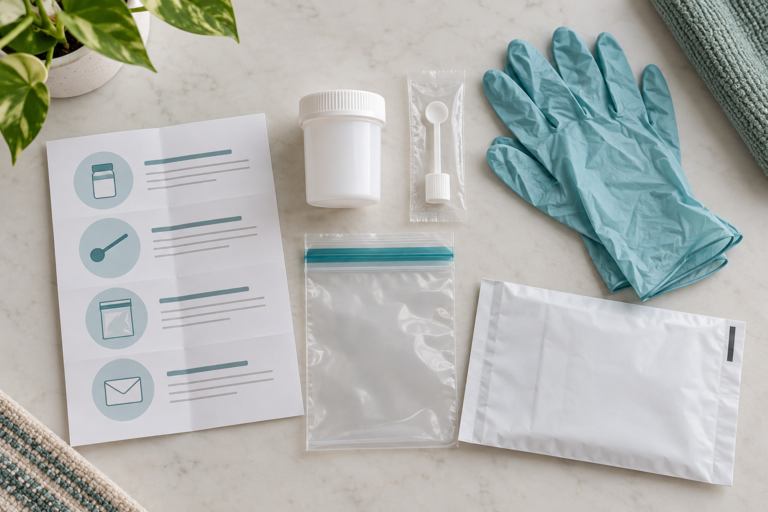
Saliva-based kits may ask you to spit into a tube or use a swab to collect saliva, depending on the product. Some kits are completed at home; others require you to mail the sample to a laboratory. These collection methods and the information reported are specific to each product.
Before collecting a sample, read the instructions for eating, drinking, brushing your teeth, sample amount, packaging, and mailing. Requirements can differ between kits. Also check exactly what the test is designed to measure and whether its report explains the limits of the result. A saliva sample alone cannot tell you how useful or reliable a particular test will be.
Blood vs. Urine vs. Saliva: Side-by-Side Comparison
| Sample | Typical collection | What it may measure | Check before buying |
|---|---|---|---|
| Blood | Finger prick or arranged blood draw | Specific blood markers listed by the kit | Sample amount, lab processing, total cost |
| Urine | Collected sample or test strip | Specific urine markers listed by the kit | Collection timing, reading steps, intended use |
| Saliva | Spit into a tube or use a saliva swab, as instructed | Targets specified by the kit | Preparation steps, mailing, report limits |
Why the Sample Type Alone Is Not Enough
Two kits can use the same kind of sample and still answer different questions. For example, a blood test designed to measure A1C is different from one designed to measure a vitamin level. Likewise, one urine strip may report different measurements from another. Always compare the specific marker, the test’s intended use, and the method used to analyze the sample—not just whether the kit uses blood, urine, or saliva.
Also check whether the result is read at home or the sample is mailed to a laboratory. These processes differ in what you need to do, how long results may take, and how the findings are reported. The product instructions should explain the steps and limitations for that particular test.
Three Common Misunderstandings
“A blood test is always more accurate than a urine or saliva test.” Accuracy depends on the specific test, what it measures, how the sample is collected, and how the result is analyzed. Sample type alone does not establish accuracy.
“Two tests using urine should give me the same information.” Each kit measures only the substances listed in its instructions. Check the exact panel and intended use before comparing results.
“An at-home result can explain my symptoms.” A result may provide useful information, but it cannot by itself establish the cause of a symptom. If you feel unwell or are concerned about a result, speak with a qualified healthcare professional.
Which Sample Type Should You Choose?
Start with the question you want the test to answer, then look for a product designed to measure the relevant marker. Check its intended use, collection steps, result format, and limitations. Choose a collection method you can follow correctly; a convenient sample type is only useful if the particular test provides information relevant to your question.
If you are comparing several kits, use our guide to choosing an at-home wellness test for a fuller checklist. If you have symptoms or need to make a medical decision, ask a qualified healthcare professional which test, if any, is appropriate.
Frequently Asked Questions
Are saliva tests easier to use than blood tests?
Some people may find saliva collection more comfortable than a finger prick, but ease of use depends on the kit’s instructions. The easier sample is not necessarily the one that measures what you need to know.
Can I compare results from a blood test and a urine test?
Do not assume results are directly comparable. First check whether the tests measure the same marker, use comparable methods, and report results in the same units. Ask a healthcare professional if you need help interpreting results.
Does sending a sample to a lab make an at-home test more accurate?
Laboratory analysis does not, by itself, establish how accurate a particular test is. The testing method, sample quality, validation, and intended use also matter. Review the product’s evidence and instructions rather than relying on the word “lab.”
Final Takeaway
Blood, urine, and saliva tests differ in how samples are collected and in the measurements a particular product may offer. There is no single sample type that is best for every question. Before buying, identify the exact marker you want to learn about, read the kit’s intended use and instructions, and understand what its result cannot tell you. If you have symptoms or a concerning result, seek advice from a qualified healthcare professional.
This article is for educational purposes and does not provide medical advice. Please read our Medical Disclaimer.