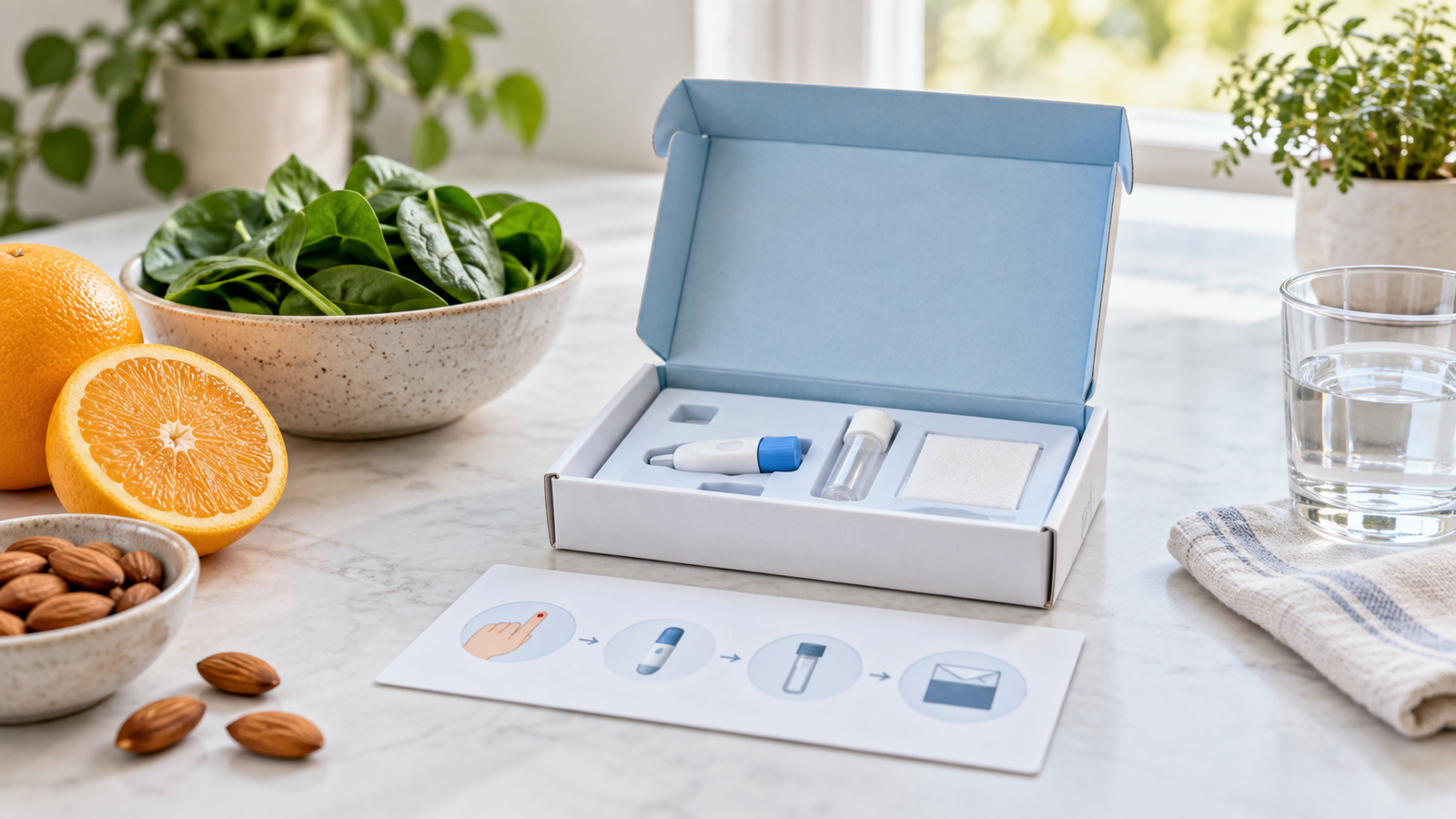
At-Home Micronutrient Testing: What It Measures, Accuracy, and Limitations
At-home micronutrient testing offers a convenient way to explore selected vitamin, mineral, and other nutrient markers without beginning with a traditional clinic visit. Depending on the test, you may collect a blood sample at home, visit a partner laboratory, or use another type of sample.
However, micronutrient tests vary considerably in what they measure, how samples are analyzed, and how useful the results may be. No single panel can provide a complete picture of nutritional health, and an unusual result does not necessarily confirm a deficiency or explain specific symptoms.
This guide focuses on comparing multi-nutrient panels: the vitamin, mineral, and related biomarkers included, blood collection methods, laboratory measurements, and limits of interpretation. For an introduction focused on vitamin D, B12, and folate tests, read our guide to at-home vitamin tests.
Quick Answer
At-home micronutrient tests may provide information about selected vitamins, minerals, fatty acids, or other nutritional markers, but the exact panel and testing method vary by provider. Some tests use a self-collected blood sample, while others require collection at a laboratory or use urine-based wellness measurements.
Results should be interpreted cautiously. Nutrient levels can be affected by diet, supplements, medications, hydration, inflammation, recent illness, sample collection, and the laboratory method used. These tests may help start a conversation about nutritional health, but they should not be used alone to diagnose a deficiency, identify the cause of symptoms, or determine treatment.
What Is Micronutrient Testing?
Micronutrients are vitamins and minerals that the body needs in relatively small amounts to support functions such as energy metabolism, immune activity, bone health, nerve function, and the production of blood cells. Examples include vitamin B12, vitamin D, folate, iron, magnesium, zinc, and calcium.
Micronutrient testing is a broad term for laboratory tests that assess one or more nutrient-related markers. Some tests measure the amount of a nutrient circulating in the blood. Others measure storage proteins, metabolic byproducts, or indicators that may provide indirect information about nutrient status.
The meaning of a result depends on the specific marker and testing method. For example, a serum measurement may reflect recent intake or the amount circulating at the time of collection, while another test may be intended to provide information about longer-term stores. These methods are not interchangeable, and a larger panel is not automatically more clinically useful.
At-home testing refers mainly to how the sample is ordered or collected. It does not mean that the analysis takes place inside the home. In most cases, the sample is mailed or delivered to a laboratory, where it is processed before results become available through an online dashboard or report.
What Can These Tests Tell You?
A micronutrient test may show whether a measured marker falls below, within, or above the laboratory’s reference range. This information can help identify a result that may deserve further discussion, especially when considered alongside diet, supplement use, symptoms, medical history, and other laboratory findings.
The result cannot usually determine by itself why a level is unusual. Possible influences include dietary intake, absorption problems, medications, supplements, chronic health conditions, inflammation, hydration, recent illness, and differences in sample collection or laboratory methods. A qualified healthcare professional may recommend confirmation testing or additional evaluation before drawing conclusions.
What Nutrients Can Be Measured?
The nutrients included in an at-home test vary widely. Some services offer individual markers, while others combine multiple measurements into a broader panel. Before purchasing a test, review the exact biomarkers included rather than relying only on the number of items advertised.
Common categories may include:
- Vitamins: Examples include vitamin D, vitamin B12, folate, and sometimes other B vitamins. The preferred measurement and clinical usefulness differ between vitamins.
- Minerals and electrolytes: Panels may include magnesium, calcium, zinc, copper, sodium, or potassium. A circulating level does not always represent the total amount stored in the body.
- Iron-related markers: Testing may include iron, ferritin, transferrin, or total iron-binding capacity. These markers provide different information and are often more useful when interpreted together.
- Fatty acids: Some specialized panels assess omega-3 and omega-6 fatty acids or related ratios.
- Amino acids and metabolic markers: Larger panels may include amino acids, organic acids, or other compounds associated with nutrient metabolism. These measurements can be difficult to interpret without appropriate clinical context.
Not every nutrient has a single, well-established test that accurately represents overall nutritional status. Reference ranges can also differ between laboratories. For these reasons, the usefulness of a panel depends more on the quality and relevance of its individual markers than on the total number of nutrients listed.
More Markers Do Not Always Mean a Better Test
A test that advertises dozens of nutrients may appear more comprehensive, but additional measurements do not necessarily produce clearer or more actionable information. Some biomarkers are well established for evaluating particular concerns, while others have limited evidence, substantial biological variation, or no widely accepted approach to interpretation.
A useful test should clearly identify each biomarker, the sample type, the laboratory method, the reference range, and the limitations of the result. It should also explain when follow-up with a healthcare professional or confirmation through a conventional laboratory may be appropriate.
Blood Tests vs. Urine-Based Wellness Tests
Blood and urine tests can both provide useful information, but they measure different biological materials and should not be treated as interchangeable.
Blood-Based Micronutrient Tests
Blood testing is commonly used for established nutrient-related markers such as vitamin D, vitamin B12, folate, ferritin, and other iron measurements. Depending on the service, the sample may be collected through a finger prick at home, by a mobile professional, or through a conventional blood draw at a laboratory.
Blood results can still be influenced by recent food or supplement intake, inflammation, medications, hydration, and the testing method. Some nutrients are tightly regulated in the bloodstream, meaning that a normal circulating level may not always provide a complete picture of body stores.
Urine-Based Wellness Tests
Urine tests measure substances that the body excretes at the time of collection. Depending on the product, these may include hydration-related measurements, urine pH, ketones, or selected nutrient-related compounds. Results can change with fluid intake, food, supplements, exercise, medication use, and the time of day.
A urine-based wellness test should not automatically be considered equivalent to a clinical blood test for nutrient deficiency. Its value depends on the specific marker being measured, the collection method, and the evidence supporting how the result is interpreted.
Choosing the Appropriate Sample Type
The appropriate sample depends on the question being asked. If the goal is to investigate a suspected nutrient deficiency or persistent symptoms, a healthcare professional may recommend specific blood tests and interpret them alongside medical history and other findings. If the goal is general wellness tracking, a urine-based product may offer convenient trend information, but its limitations should be clearly understood.
How Do At-Home Micronutrient Tests Work?
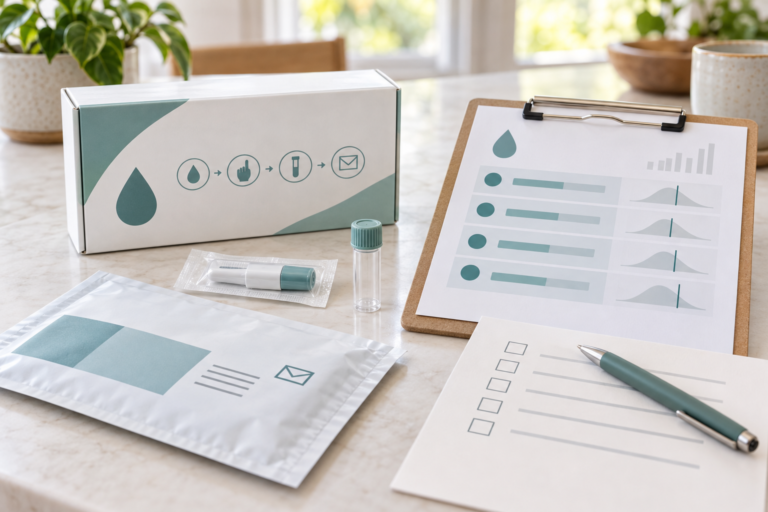
The exact process varies by provider and sample type, but most at-home micronutrient testing services follow a similar sequence.
1. Select and Order the Test
Review the biomarkers included, the sample type required, the laboratory information, the total cost, and whether professional support is available. Some services allow consumers to order directly, while others involve authorization from a clinician.
2. Prepare for Collection
Follow the provider’s instructions carefully. You may be asked to fast, avoid certain supplements, collect the sample at a particular time, or record medications and recent food intake. Do not stop prescribed medication unless instructed by a qualified healthcare professional.
3. Collect the Sample
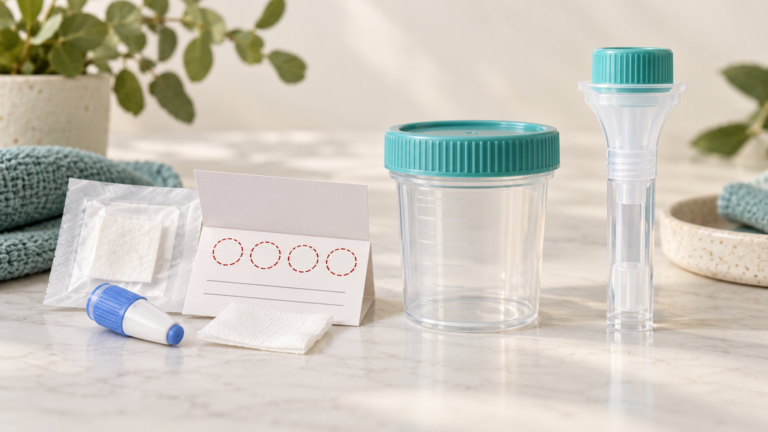
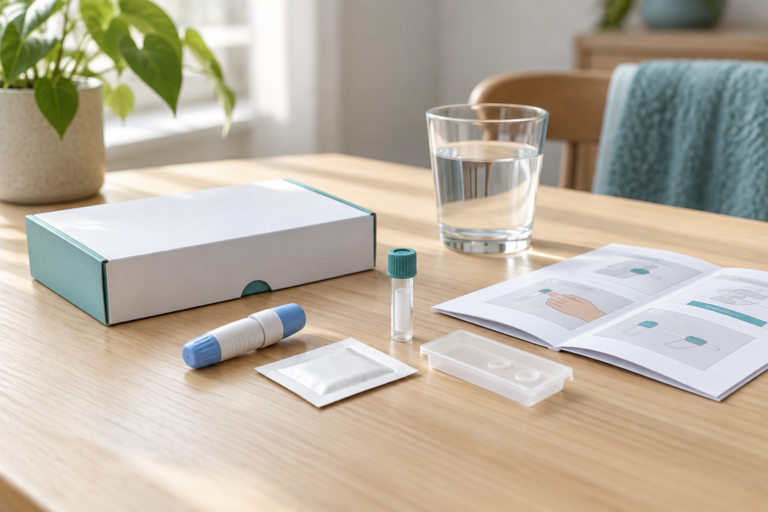
A home kit may require a finger-prick blood sample, dried blood spots, or urine. Other services arrange collection at a partner laboratory. Incorrect collection, insufficient sample volume, contamination, or improper labeling may delay testing or affect the result.
4. Package and Return the Sample
Home-collected samples usually need to be packaged and shipped according to the kit instructions. Temperature, storage conditions, and transport time may matter for some biomarkers. Confirm whether prepaid shipping and sample tracking are included.
5. Review the Results
Results are commonly delivered through an online portal or downloadable report. The report may compare each measurement with a laboratory reference range and provide general educational information. A result outside the stated range should not automatically be treated as a diagnosis. Consider discussing unexpected findings with a qualified healthcare professional, particularly before starting high-dose supplements or changing treatment.
How Accurate Are At-Home Micronutrient Tests?
The accuracy of an at-home micronutrient test depends on several separate factors: the biomarker selected, the sample collection process, the laboratory method, and the way the result is interpreted.
For a more detailed explanation of laboratory performance, sample collection, sensitivity, and specificity, read our guide to the accuracy of at-home wellness tests.
A test can measure a substance precisely without necessarily answering the broader question of whether a person has a clinically meaningful deficiency. Some biomarkers are widely used in conventional healthcare, while others have less established clinical value or require additional measurements for proper interpretation.
Analytical Accuracy
Analytical accuracy refers to how reliably the laboratory measures the substance in the submitted sample. In the United States, laboratories performing human testing for health assessment are generally subject to Clinical Laboratory Improvement Amendments, or CLIA, quality standards. Before ordering, check which laboratory processes the sample and whether the provider identifies its certification.
Laboratory quality is important, but certification alone does not establish that every biomarker in a commercial panel is appropriate for diagnosing a deficiency or directing treatment.
Sample Collection and Handling
Even a reliable laboratory method can produce a less useful result when the sample is collected or handled incorrectly. Potential issues include:
- Insufficient blood or urine volume
- Contamination during collection
- Collecting at the wrong time
- Eating, drinking, exercising, or taking supplements contrary to instructions
- Delayed shipping or unsuitable storage conditions
- Exposure to excessive heat or cold
Carefully following the kit instructions reduces avoidable errors but cannot eliminate normal biological variation.
Biological and Clinical Interpretation
Nutrient markers may change because of recent intake, supplements, hydration, inflammation, illness, medication use, and underlying health conditions. Different sample types may also reflect different time periods. For example, some circulating measurements are more sensitive to recent intake, while certain whole-blood measurements may provide information over a longer period.
For established markers, healthcare professionals may interpret several related results together. Vitamin B12 status, for example, may sometimes require consideration of additional markers when the initial result is unclear. Similarly, iron status is often evaluated using more than one measurement.
For these reasons, an at-home result is best viewed as one piece of information rather than a complete assessment of nutritional health.
Important Limitations of At-Home Micronutrient Testing
At-home micronutrient testing can make laboratory information more accessible, but it also has important limitations that should be considered before purchasing a test or acting on the results.
It Cannot Diagnose the Cause of Symptoms
Fatigue, weakness, changes in mood, hair loss, and digestive symptoms can have many possible causes. A nutrient result alone cannot establish why a symptom is occurring or rule out other medical conditions.
Reference Ranges Are Not Treatment Targets
A laboratory reference range describes values observed or expected within a defined population and testing method. It does not automatically identify the ideal level for every individual. Results near a cutoff may require interpretation in the context of symptoms, medical history, and related laboratory findings.
One Result Is Only a Snapshot
Some biomarkers change with recent meals, supplement use, hydration, exercise, illness, or time of day. A single measurement may not represent a person’s usual status. An unexpected result may need to be repeated or confirmed through another method.
Large Panels Can Produce Incidental Findings
The more markers a panel includes, the greater the chance that at least one result will fall outside a reference range even when it is not clinically significant. This can lead to unnecessary concern, additional testing, or inappropriate supplement use.
Supplements Are Not Risk-Free
An abnormal result should not automatically lead to high-dose supplementation. Some vitamins and minerals can cause adverse effects, interact with medications, or become harmful in excessive amounts. Iron, vitamin A, vitamin D, and several other nutrients require particular caution.
Access to Follow-Up Varies
Some services include clinician review or allow customers to ask questions, while others provide only an automated report. Before ordering, confirm who can explain the results, whether follow-up testing is available, and whether the report can be shared with your healthcare professional.
Who Might Consider At-Home Micronutrient Testing?
At-home micronutrient testing may be worth considering for adults who want convenient access to selected nutrient biomarkers and understand that the results are informational rather than diagnostic.
It may be useful for people who:
- Have difficulty accessing routine laboratory testing.
- Want to monitor a previously identified nutrient level under professional guidance.
- Follow a restrictive eating pattern and want additional information to discuss with a healthcare professional.
- Prefer collecting a sample at home instead of visiting a laboratory.
- Understand that abnormal or unexpected results may require confirmation through conventional testing.
Who Should Speak With a Healthcare Professional First?
At-home testing should not replace timely medical care. Speak with a qualified healthcare professional before ordering or interpreting a test if you:
- Are pregnant, breastfeeding, or planning a pregnancy.
- Have persistent or severe symptoms.
- Have a diagnosed medical condition that affects nutrient absorption or metabolism.
- Take prescription medications or high-dose supplements.
- Have a history of anemia, kidney disease, liver disease, or gastrointestinal disease.
- Are considering changing treatment based on the results.
Seek prompt medical attention for serious symptoms such as chest pain, difficulty breathing, fainting, severe weakness, confusion, or rapidly worsening health concerns.
How to Choose an At-Home Micronutrient Test
For a broader step-by-step framework, see our guide on how to choose an at-home wellness test.
Not all at-home micronutrient tests offer the same markers, collection methods, laboratory standards, or professional support. Before purchasing a test, review the following factors.
Check Which Biomarkers Are Included
Choose a panel based on the nutrients relevant to your needs rather than the total number of markers. Confirm whether the service measures the nutrient directly, a related biomarker, or both.
Review the Sample Type
Determine whether the test uses venous blood, a finger-prick sample, urine, or another specimen. The appropriate sample type depends on the nutrient being evaluated and the laboratory method used.
Look for Laboratory Information
The company should clearly identify the laboratory that processes the sample and explain its quality standards. For tests processed in the United States, check whether the laboratory is CLIA-certified. CLIA certification establishes laboratory quality requirements, but it does not guarantee that every test result will be clinically useful.
Examine the Collection and Shipping Process
Review the instructions before ordering. Check whether fasting, supplement restrictions, collection timing, temperature control, or same-day shipping is required. Complicated collection requirements may increase the risk of an unusable or unreliable sample.
Understand What the Price Includes
Confirm whether the listed price covers the collection kit, laboratory analysis, return shipping, results report, and professional consultation. Also check whether follow-up testing costs extra.
Evaluate the Results and Support
Look for a sample report if one is available. A useful report should identify the testing method, units, reference ranges, and limitations. It should also explain whether a qualified healthcare professional is available to review unexpected results.
Review Privacy and Data Practices
Read the company’s privacy policy before submitting personal or health information. Check how samples and data are stored, whether information is shared with third parties, and how you can request deletion of your data.
Avoid Unsupported Claims
Be cautious of services claiming that one test can diagnose the cause of vague symptoms, identify every deficiency, or generate a personalized supplement plan without appropriate clinical review. Strong health claims should be supported by transparent evidence.
Comparing At-Home Micronutrient Testing Options
At-home testing services vary considerably. The most suitable option depends on the biomarkers you want to measure, the collection method, the quality of the laboratory, and the level of professional support provided.
Single-Nutrient Tests
These tests focus on one nutrient or a small group of related markers, such as vitamin D, vitamin B12, or iron-related biomarkers. They may be easier to interpret than large panels, but the selected marker must be appropriate for the question being investigated.
Multi-Nutrient Blood Panels
These panels measure several vitamins, minerals, or related biomarkers from a blood sample. They can provide a broader overview, but a larger number of markers does not necessarily produce more useful information. Review the exact biomarkers and testing methods before purchasing.
Broader Wellness Panels
Some services combine nutrient-related markers with measurements associated with metabolism, inflammation, hormones, or general wellness. These panels may provide more context, but they can also be more expensive and produce results that require professional interpretation.
Product Reviews Can Help With Comparison
Before choosing a service, examine the collection method, biomarkers, laboratory information, pricing, privacy practices, and access to professional support. Our Kihealth review provides a closer look at one available testing service, including how it works, the tests offered, pricing considerations, and important limitations.
Product features and prices can change. Always confirm the current details on the provider’s official website before ordering.
Frequently Asked Questions
Are At-Home Micronutrient Tests Accurate?
They can produce reliable laboratory measurements when the selected biomarker is appropriate, the sample is collected and transported correctly, and the laboratory follows suitable quality standards. However, analytical accuracy does not guarantee that a result can diagnose the cause of symptoms or determine the correct treatment.
Does a Larger Micronutrient Panel Detect Every Deficiency?
No panel should be assumed to assess every nutrient. Check the exact biomarkers and methods included rather than relying on the number of markers advertised. A result outside a laboratory reference range needs to be interpreted in context; a healthcare professional may recommend additional or confirmatory testing.
Is a Finger-Prick Test as Accurate as a Venous Blood Test?
It depends on the nutrient, testing method, sample quality, and laboratory validation. Finger-prick collection is appropriate for some biomarkers, while others may require venous blood or a larger sample. Check whether the provider explains why its collection method is suitable for each marker.
Should I Stop Taking Supplements Before Testing?
Do not stop prescribed supplements or medications without professional advice. Some tests require fasting or temporary changes to non-prescription supplement use, while others do not. Follow the provider’s instructions and disclose relevant supplements when results are reviewed.
What Should I Do With an Abnormal Result?
Do not begin high-dose supplementation based only on an at-home result. Review the report’s limitations and speak with a qualified healthcare professional, particularly if the result is substantially abnormal or you have symptoms. Confirmation or additional testing may be needed.
Final Takeaway
At-home micronutrient testing can provide convenient access to selected vitamin, mineral, and related biomarker measurements. Its usefulness depends on choosing an appropriate test, following the collection instructions carefully, and interpreting the results in the context of your overall health.
These tests may help start a more informed conversation with a healthcare professional, but they cannot independently diagnose the cause of symptoms or determine the right treatment. Unexpected results may require confirmation, and high-dose supplements should not be started without appropriate guidance.
Before ordering, compare the biomarkers, sample type, laboratory information, total cost, privacy practices, and access to professional support. The best test is not necessarily the one with the most markers—it is the one that provides relevant, transparent, and actionable information.
Sources and Further Reading
- National Institutes of Health, Office of Dietary Supplements. Vitamin D Fact Sheet for Health Professionals.
- National Institutes of Health, Office of Dietary Supplements. Vitamin B12 Fact Sheet for Health Professionals.
- U.S. Food and Drug Administration. Direct-to-Consumer Tests.
- U.S. Food and Drug Administration. Find All FDA-Approved Home and Lab Tests.
- Centers for Disease Control and Prevention. Clinical Laboratory Improvement Amendments (CLIA).
Medical disclaimer: This article is for informational and educational purposes only. It is not intended to diagnose, treat, cure, or prevent any medical condition and does not replace advice from a qualified healthcare professional.
Affiliate disclosure: Wellness Test Guide may earn a commission if you make a purchase through certain links on this website, at no additional cost to you. This does not influence our editorial standards or the information presented in this article.