At-Home Urine Wellness Tests: What They Can and Cannot Tell You
At-home urine tests can be convenient, but different products are designed for different purposes. This guide explains what a urine wellness test may show, what its results cannot establish, and how to check a product’s intended use before relying on it.
What Is an At-Home Urine Wellness Test?
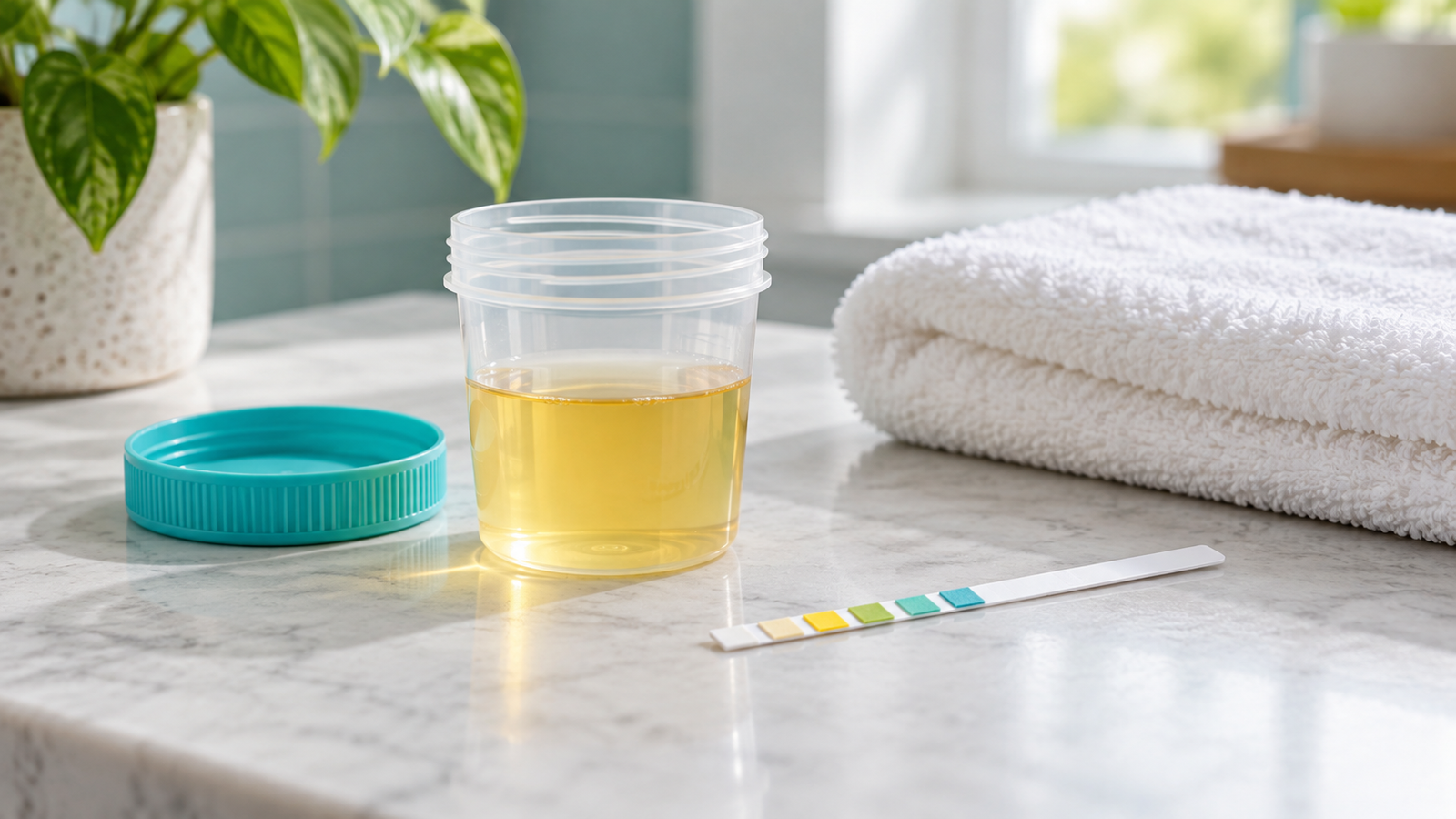
An at-home urine wellness test uses a urine sample to show selected measurements, often through a test strip. What it measures and how the results are presented depend on the product. Check the product’s instructions and intended use before interpreting any result.
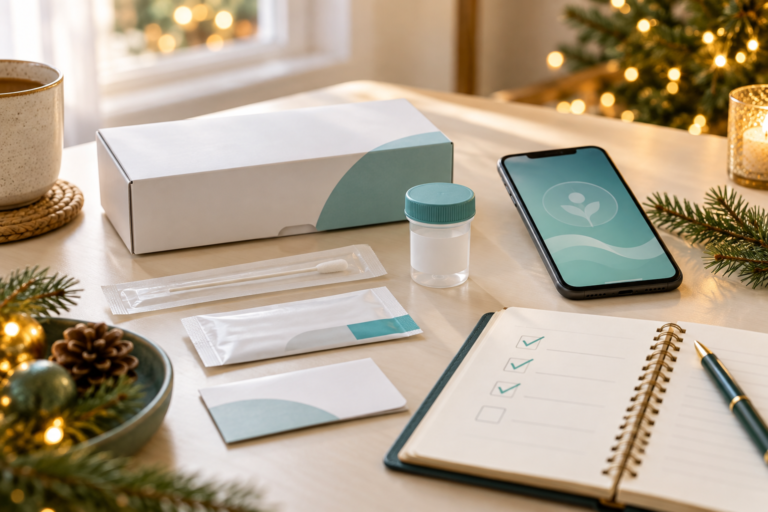
Some products use a strip that changes color after contact with a urine sample. Others pair a strip with an app to display the available measurements. The steps and the information shown vary by product, so follow the instructions for the specific kit you use.
What Can the Results Tell You?
Results can show information about the measurements included in a particular test. If the product supports repeated testing, you may also be able to observe changes over time. The meaning of a result depends on the test’s intended use and instructions; a single result does not explain why a measurement changed.
Depending on the product, a urine test may report measurements such as urine pH or the presence of substances like protein, glucose, or ketones. These are examples of urine measurements, not a list of what every at-home wellness kit includes. Check the product’s own instructions for its exact test panel.
Source: MedlinePlus — Urinalysis
For more on reading results carefully, see our guide to understanding at-home wellness test results.
What Can’t an At-Home Urine Wellness Test Tell You?
A urine wellness test should not be used to diagnose a medical condition unless the specific product is intended and authorized for that purpose. A result cannot, by itself, explain symptoms or replace an evaluation by a qualified healthcare professional. If you feel unwell or are concerned about a result, seek medical advice.
An unexpected measurement does not identify its cause. For example, protein detected in urine can sometimes be temporary, and a healthcare professional may recommend follow-up tests to understand what it means. Avoid treating a wellness result as a diagnosis.
Source: MedlinePlus — Protein in Urine
How to Check What a Urine Test Actually Measures
Before using or buying a test, read the product instructions. Look for the specific measurements it reports, how to collect and read the sample, and what the manufacturer says the test is intended to do. Check whether its results are described as wellness information or as information for a specific medical use. Do not assume that two urine tests provide the same information just because both use a test strip.
If you’re comparing home testing with testing at a lab, see our guide to the key differences between at-home wellness tests and traditional lab tests.
For a product-specific example, read our VIVOO review to see its reported measurements, testing process, and limitations.
When Should You Speak With a Healthcare Professional?
Speak with a qualified healthcare professional if you feel unwell, have symptoms, or are worried about a result. They can consider your medical history and decide whether clinical testing or follow-up is appropriate. Do not delay seeking care because an at-home wellness result appears reassuring.
Source: FDA — Home Use Tests
Bottom Line
An at-home urine wellness test may offer a convenient way to view selected measurements, but its usefulness depends on the product’s intended use and the questions you want answered. Read the instructions, understand the limits of the results, and speak with a healthcare professional when you have symptoms or health concerns.
One Comment