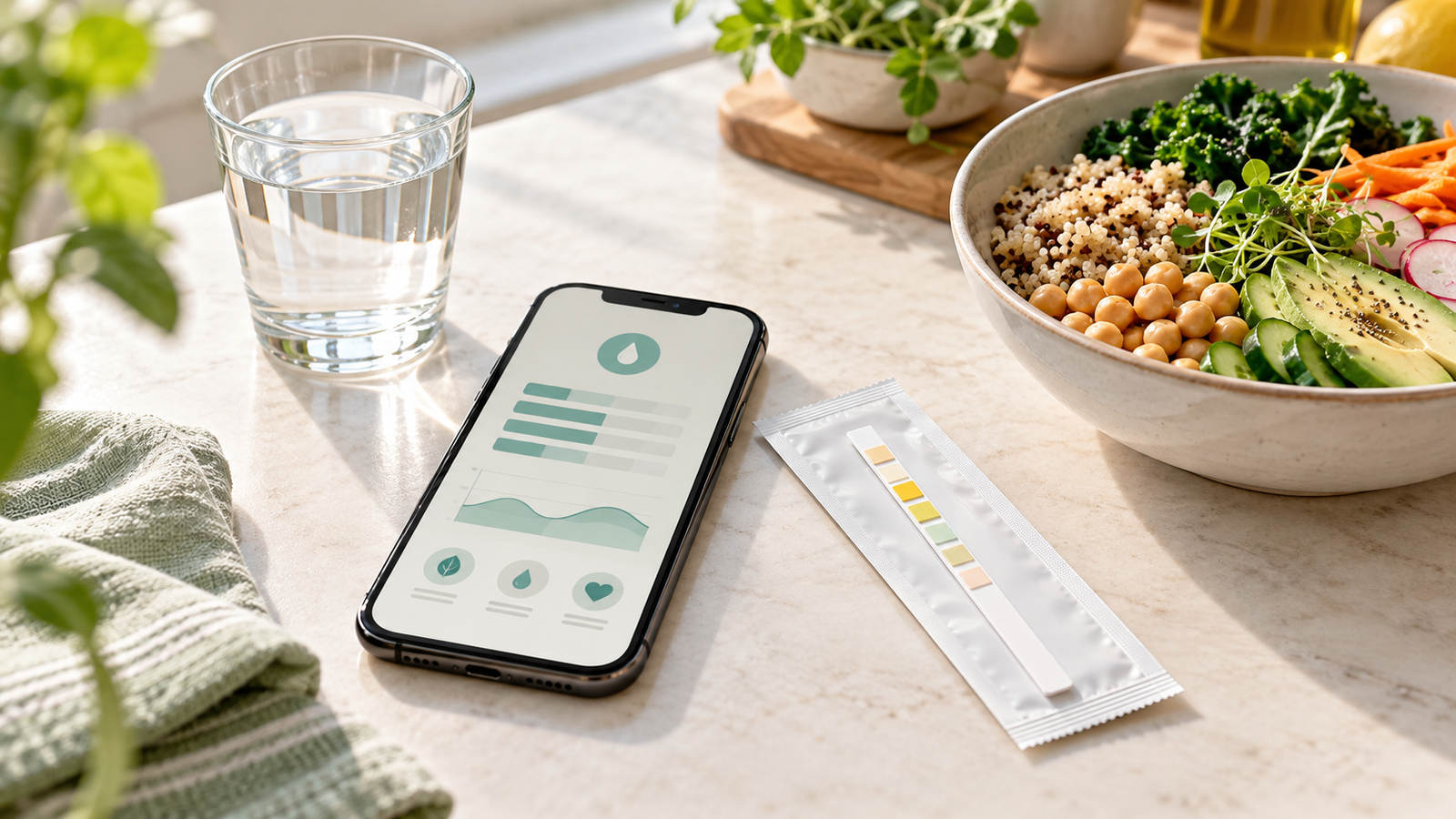
Urine Wellness Test Results: What to Check Before Changing Your Diet
A urine wellness result that looks lower or higher than expected can make you wonder whether to change your meals, drink more water, or buy another test. Before doing any of those things, check what the result actually measures and whether the test was used correctly.
This guide focuses on the decisions to make before changing your diet. For a general explanation of these products, see our at-home urine wellness test guide.
Educational information: This article does not provide a diagnosis or a personalized diet or treatment plan. Product references are based on published information, not our own clinical testing.
Quick Answer
An unexpected urine wellness test result is a reason to check the instructions and context, not an automatic reason to start supplements or restrict foods. Review the collection and reading steps, record relevant habits, and ask a healthcare professional about concerning results or symptoms. A wellness app category is not the same as a confirmed nutrient deficiency.
1. Check the Test Before Changing Your Meals
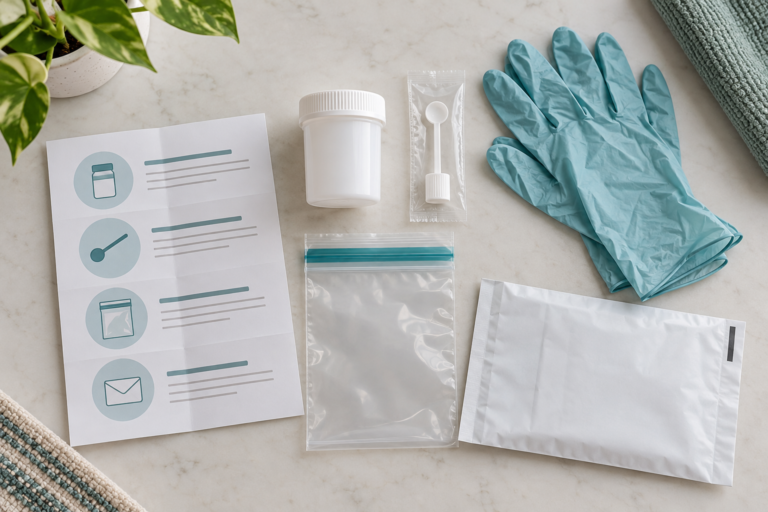
Start with the instructions supplied with your exact kit. Check the expiration date, storage requirements, collection method, and reading window. If the product uses a phone camera, follow its scanning instructions rather than comparing a photograph with an unrelated color chart.
For example, Vivoo’s published instructions describe a timed scan after using its urine wellness strip. Follow the current instructions for your product rather than assuming that another brand uses the same timing. If the app reports an invalid scan, use the manufacturer’s troubleshooting guidance; do not treat it as a health finding. [1]
Ask yourself: Was this a valid test, and am I reading the correct explanation for this particular marker? If either answer is unclear, contact the manufacturer before changing your routine.
2. Write Down the Context You Might Otherwise Forget
A short note can make a later discussion more useful. Record the date and time, the result or app label, recent meals and drinks, exercise, illness, medicines, and supplements. These notes do not identify the cause of a result; they help you avoid assuming that one food explains it.
Some medicines and supplements can affect urine appearance or test results. Tell your healthcare professional what you take, but do not stop prescribed medication to improve an app score. [2]
If you continue optional wellness tracking, follow the product’s instructions consistently. Vivoo recommends similar timing for repeat use. Even then, a change in a reading cannot prove that a diet change caused it. [3]
3. Review Food Habits Without Trying to “Fix” a Number
You do not need a wellness test to begin reviewing the variety of foods you eat. The aim is a sustainable eating pattern that fits your needs, preferences, and budget, rather than a meal plan designed around one strip result.
Choose One Practical Food Habit
For adults without a prescribed diet that requires a different approach, examples include adding vegetables to a familiar meal, choosing whole grains more often, or comparing packaged foods for sodium and added sugars. These are general healthy-eating choices, not treatments for an unexpected urine reading. CDC’s healthy-eating guidance emphasizes food variety and nutrient-dense options. [4]
For example, you might add beans to a lunch you already enjoy or replace a regularly consumed sugary drink with water. There is no promise that either change will produce a particular app score. If you have a prescribed fluid limit, food allergy, kidney condition, or other dietary restriction, adapt changes with your care team.
Turn a General Suggestion Into One Everyday Action
Choose a habit you can describe and repeat, rather than setting a target for the next test score. The examples below are meal-planning ideas, not responses prescribed for a particular urine marker:
- Breakfast: Add fruit to plain yogurt or a whole-grain breakfast you already enjoy.
- Lunch or dinner: Include vegetables in a familiar dish, or add beans or lentils where they fit your preferences.
- Shopping: Compare similar packaged foods for sodium and added sugars, using the same serving size.
- Drinks: Consider replacing a regularly consumed sugary drink with water if this fits your medical and dietary needs.
These examples draw on CDC healthy-eating guidance [4]. They are not a complete meal plan and do not promise to change a urine reading. Choose foods that suit your allergies, budget, and any prescribed diet.
Use the App as a Reminder, Not a Set of Nutrition Orders
If you use Vivoo, review the explanation behind a suggestion before acting on it. Ask: Is this a general food habit I can reasonably adopt, or does it involve a supplement, restriction, or change to medical care? Take the second kind of suggestion to a qualified professional before proceeding.
Keep your usual testing routine consistent with the kit instructions. Do not deliberately drink excessive water, skip meals, or change medicines to chase a preferred app category. This is not a challenge to obtain a “perfect” strip.
A Simple Food-and-Habit Note
Use the following prompts in a private notebook or your own notes app. Recording a test is optional; this exercise does not require buying more strips.
- Habit chosen: What small change am I trying, and why does it fit my routine?
- What actually happened: Which meals or drinks changed? Was it practical and affordable?
- Context: Note unusual exercise, illness, changes in supplements, and any symptoms.
- Test context, if applicable: Record the time, collection steps, and exact result rather than only the overall score.
- Question for a professional: What remains unclear or concerning?
For example: “I added vegetables to lunch on three days because lunch usually lacks variety.” That records an action you can evaluate. “My score improved, so I corrected a deficiency” draws a conclusion the note and wellness test cannot establish. If tracking creates anxiety or leads you to restrict food unnecessarily, pause optional tracking and discuss your concerns with a healthcare professional.
Do Not Turn a Mineral Reading Into a Supplement Dose
A urine wellness magnesium result does not establish how much magnesium you should take. NIH explains that assessing magnesium status is complex and may require laboratory testing together with a clinical assessment. Foods such as legumes, nuts, seeds, whole grains, and leafy vegetables provide magnesium, but that does not mean a particular urine category proves a deficiency. High doses from supplements can cause adverse effects. [5]
Before buying a supplement, ask whether there is a specific reason to use it, whether the result needs clinical evaluation, and whether it could interact with medicines you take.
4. Decide Whether Another Test Would Answer a Different Question
When Is Wellness Tracking Enough, and When Is Clinical Testing More Appropriate?
If your goal is optional tracking of the measurements a product supports, and you have no symptoms or unresolved health concerns, another test may not be necessary. Continue only if the information is useful to you and you understand the product’s limits.
Consider a medical evaluation when you want to investigate symptoms, assess a suspected deficiency, or monitor a diagnosed condition. A healthcare professional can decide whether testing is needed and select a test for that specific question. Clinical evaluation may involve a urine sample, blood sample, or other assessment; it does not always mean buying a home blood panel. [6]
Before paying for another kit, ask: What question will it answer, is it intended for that use, and who will explain the result and next steps? Check the exact markers, collection method, laboratory information where applicable, total cost, and follow-up support. Our home testing and laboratory testing comparison explains why the collection location alone does not determine a test’s purpose.
Buying a broader panel is not automatically the next step. First define the question you need answered:
- “I want to understand the app label.” Start with the product’s explanation or support team.
- “I want help reviewing my meals.” A registered dietitian can discuss your eating pattern and relevant health history; another kit may not be necessary.
- “Could I have a nutrient deficiency?” Ask a healthcare professional whether targeted clinical testing is appropriate. See our vitamin testing guide for an introduction or our micronutrient panel guide for comparison considerations.
- “I have urinary symptoms or feel unwell.” Seek a medical evaluation rather than using a general wellness strip to choose treatment.
A clinical urinalysis may include physical, chemical, and microscopic examination; a general wellness strip should not be assumed to provide the same assessment. [2]
5. Know When to Seek Help Instead of Retesting
Contact a healthcare professional if a result worries you, you have persistent symptoms, or you are considering a substantial change to diet, supplements, or treatment. You do not need to wait for several repeat tests. A reassuring wellness score should not override how you feel. FDA advises seeking medical care when you feel sick or are concerned about a medical condition. [6]
Ketones need particular care: Vivoo’s wellness ketone measurement is not a tool for diagnosing or managing diabetes. If you have diabetes, follow your care team’s glucose and ketone testing plan. Vomiting, abdominal pain, rapid or deep breathing, or confusion can be signs of diabetic ketoacidosis; seek emergency care if you suspect it instead of waiting for another wellness scan. [3] [7]
Where Vivoo Fits in This Process
Vivoo pairs urine wellness strips with an app that presents selected results and nutrition or lifestyle suggestions. That can provide a structured way to view wellness information, but it does not establish the cause of symptoms or replace a comprehensive medical urine test. [3]
If you are considering the product, read our Vivoo urine test and app review for the scanning workflow, result history, ongoing strip costs, and limitations. You do not need to buy a test before starting general healthy-eating habits or asking for professional advice.
A Checklist Before You Change Your Diet
- Confirm that the kit was in date and used as instructed.
- Read the explanation for the specific marker, not just the overall score.
- Record the result and relevant context.
- Choose food habits for overall diet quality, without promising a score change.
- Ask for advice before starting supplements or a restrictive diet.
- Seek care for symptoms rather than waiting for a better reading.
Frequently Asked Questions
Should I change my diet after one low Vivoo score?
Not automatically. Check the instructions and what the score represents first. General improvements to food variety may be reasonable, but a low score alone is not a personalized nutrition prescription.
Does a better result mean my diet change worked?
A different reading does not establish cause and effect. Record what changed, but avoid using an app score as proof that a deficiency or medical concern has resolved.
Should I buy a blood test after an unexpected urine wellness result?
Not necessarily. The appropriate next step depends on your question, symptoms, and history. A healthcare professional can help decide whether any clinical test is needed and which measurement would be useful.
Final Takeaway
Use an unexpected urine wellness result as a prompt to check the test and ask better questions. Review your food habits in context, avoid treating an app score as a diagnosis, and choose follow-up based on the health question you need answered.
One Comment